What Is the Anion Gap?
The anion gap is a calculated value that assists doctors evaluate acid-base balance and detect possible causes of metabolic acidosis. It is based on common electrolytes measured in a standard electrolyte panel, usually including sodium, chloride, and serum bicarbonate. Because routine blood chemistry does not measure every charged particle in the bloodstream, the anion gap estimates the difference between measured cations and measured anions, helping identify unmeasured anions.
In practical terms, an anion gap calculator helps you calculate anion gap efficiently and consistently. This is useful in clinical assessment when evaluating an acid-base disorder, especially if the patient has metabolic acidemia or an unexplained electrolyte imbalance. The result is not a diagnosis by itself, but it can inform the next steps in laboratory interpretation and support a broader diagnostic workup.
Serum bicarbonate matters because it is part of the calculation and also reflects the body’s buffer status. A low serum bicarbonate level often implies that an acid load is present or that bicarbonate is being consumed or lost. That makes the anion gap especially valuable when looking for patterns in serum electrolytes and understanding what type of metabolic derangement may be present.
How the Anion Gap Calculator Works
The most common anion gap formula includes sodium, chloride, and bicarbonate in the collected blood:
Anion gap = Sodium − (Chloride + Bicarbonate)
This diagnostic calculation evaluates the primary positive ion to the main measured anions. Because bicarbonate concentration is included in the equation, the calculator captures both the measured ion pattern and the body’s buffering response. In many situations, clinicians review the result alongside the full blood chemistry profile to understand whether the body is dealing with an acid load or an electrolyte pattern that suggests another process.
For example, if sodium is 140, chloride is 102, and bicarbonate is 24, the calculation is:
140 − (102 + 24) = 14
That number is then measured with the expected reference range for the lab. The calculator does not replace interpretation; it supports it. The significance of the result depends on the patient’s symptoms, the full electrolyte panel, and whether serum bicarbonate is reduced, normal, or elevated.
Some tools also provide a corrected anion gap when albumin is low. This is important because albumin is a major unmeasured anion, and reduced albumin can make the calculated gap appear misleadingly normal. In that case, an albumin-corrected anion gap provides a more accurate picture of the underlying acid-base status.
How to Understand Anion Gap Results
An anion gap interpretation begins with the lab’s reported normal range. Several laboratories may use slightly different methods, so the number should always be read in the context of local lab values. Still, a typical normal range is often in the low teens, though exact cutoffs differ. What matters most is whether the result is below normal, normal, or elevated and how that matches the clinical picture.
A high anion gap usually suggests the presence of additional acids in the blood. This finding often points toward high anion gap metabolic acidosis, where unmeasured anions collect. In this setting, serum bicarbonate is often reduced because it is being consumed as the body buffers excess acid. That makes the anion gap and bicarbonate together especially helpful.
A low anion gap is less common and can reflect laboratory variation, low albumin, or unusual increases in unmeasured cations. It should not be ignored, but it should be checked carefully for error or confounding factors before concluding that a disease process is present.
It is also important to remember that the anion gap is a clue, not a diagnosis. A normal result does not always mean normal physiology, and an elevated result requires context. For example, a patient with symptoms of metabolic acidosis and a borderline result may still need additional evaluation if the clinical picture suggests a more serious problem.
Function for Serum Bicarbonate in Acid-Base Evaluation
Serum bicarbonate acts as one of the most valuable markers in acid-base balance because it indicates the body’s principal buffer system. A decreased serum bicarbonate level usually indicates that the body is responding to acid excess, bicarbonate loss, or both. In many cases, this is the first sign of metabolic acidosis, especially when paired with an abnormal anion gap.
When bicarbonate is low, the anion gap helps clarify whether the problem is due to accumulation of acids or to direct bicarbonate loss. This distinction matters because it separates high anion gap metabolic acidosis from normal anion gap metabolic acidosis. In high-gap states, the body accumulates acids that leave behind unmeasured anions. In normal-gap states, bicarbonate loss is usually offset by a rise in chloride, a pattern sometimes called a chloride shift.
That is why serum bicarbonate should always be interpreted alongside the anion gap rather than in isolation. A low bicarbonate level can indicate a metabolic problem even if the anion gap is not elevated. Likewise, a normal bicarbonate level does not fully exclude a clinically relevant acid-base disorder, especially if other findings suggest an evolving process.
Used properly, the calculator provides diagnostic support for recognizing subtle acid-base changes and helps clinicians decide whether the picture is consistent with an acid retention state, renal compensation, or another form of metabolic derangement.
Typical Causes of an Altered Anion Gap
Several conditions can result in an unexpected anion gap, and the pattern often depends on whether the gap is high or reduced. The most important causes of a high gap include lactic acidosis, ketoacidosis, renal failure, and toxic ingestion. These conditions all create additional acids or acid precursors that increase the pool of unmeasured anions.
Lactic acidosis happens when lactate production exceeds clearance, which can happen in poor perfusion, severe infection, tissue hypoxia, or other causes of poor perfusion. In this setting, the anion gap may rise as lactate accumulates and bicarbonate falls as buffering occurs.
Ketoacidosis is another common cause. In diabetic ketoacidosis, alcoholic ketoacidosis, or starvation states, ketone bodies increase and contribute to a high gap. Serum bicarbonate often drops significantly because the body is buffering the acid load.
Renal failure can also increase the anion gap because reduced kidney function limits acid excretion and allows sulfate, phosphate, and organic acids to accumulate. Over time, this can create a characteristic acid-base picture that requires careful monitoring of serum electrolytes and kidney function.
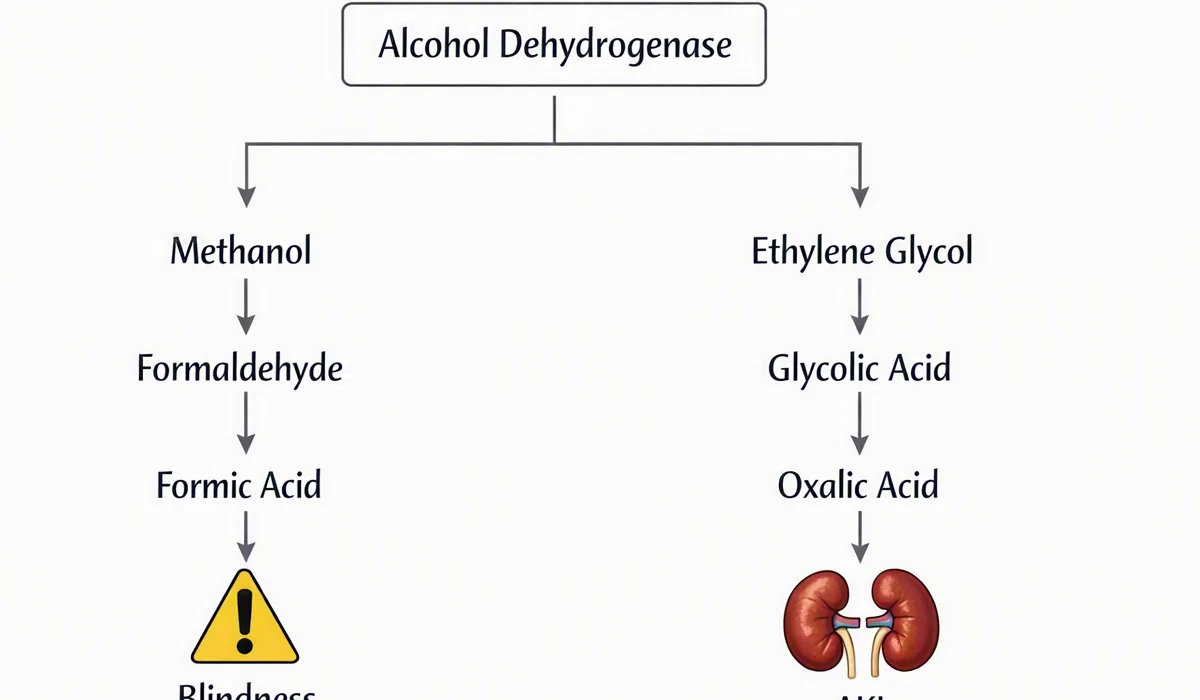
Toxic ingestion is a critical category because certain substances produce a dangerous high-gap acidosis. Depending on the exposure, the clinical picture may include altered mental status, rapid breathing, and worsening metabolic acidemia. In these cases, the anion gap is a useful clue, but the diagnosis depends on prompt clinical evaluation and targeted testing.
Normal-gap patterns also matter. Normal anion gap metabolic acidosis often reflects gastrointestinal bicarbonate loss, renal tubular disorders, or the chloride-rich replacement of bicarbonate. The chloride shift seen in these states can keep the overall anion gap within range even while serum bicarbonate is clearly reduced.
Clinical Setting and Next Steps
The anion gap should always be interpreted in the broader clinical context. A single value on an electrolyte panel is helpful, but it becomes far more meaningful when combined with symptoms, physical findings, and other studies. If the result is abnormal or the clinical picture is worrisome, the next step may include an arterial blood gas to determine pH, carbon dioxide, and buffering status.
An arterial blood gas helps determine whether the patient has metabolic acidemia, respiratory compensation, or a mixed disturbance. It also supports deeper acid-base analysis when the electrolyte pattern is not obvious. Together, the blood gas and serum electrolytes can show whether the bicarbonate change is the initial problem or compensatory.
Serum albumin is another key factor. Because albumin is an unmeasured anion, low albumin can reduce the measured gap and hide the presence of a clinically important acid-base problem. This is why an albumin-corrected anion gap may be required, especially in admitted or chronically ill patients. If the corrected result is elevated, the original “normal” number low albumin corrected AG may have downplayed the severity of the disorder.
Clinicians may also use the delta gap to identify mixed acid-base disorders. The delta gap evaluates the rise in anion gap with the fall in bicarbonate, helping determine whether there is an additional metabolic process on top of the primary disorder. This is especially informative when the numbers do not fit a simple pattern and the patient may have more than one acid-base abnormality at the same time.
Limitations of an Anion Gap Calculator
An anion gap calculator is helpful, but it has notable limitations. One major issue is lab variation. Multiple analyzers, measurement methods, and reporting conventions can change the apparent reference range. That means the same patient could have slightly different results depending on where the sample is tested.
Another limitation is that the calculator depends on accurate input. If the serum bicarbonate or other electrolytes are altered by specimen handling or reporting error, the result may be inaccurate. This is why clinicians review the full set of lab values rather than relying on a single number in isolation.
Albumin correction is also essential in many cases. Without it, the gap may appear normal even when meaningful acids are present. The albumin-corrected anion gap can improve accuracy, but even that is only one part of the overall assessment.
Most importantly, the calculator does not replace clinical judgment. A patient with symptoms of infection, dehydration, poisoning, diabetes, or kidney dysfunction may need urgent action even before the full acid-base pattern is completely clear. The anion gap is a tool for diagnostic support, not a standalone answer.
Because acid-base disorders can be complex, the best approach is to combine the calculator with the broader clinical picture, including the electrolyte panel, arterial blood gas, albumin, and any relevant history of toxin exposure, kidney disease, or metabolic stress.
Common Questions
Why use an anion gap calculator?
An anion gap calculator is used to rapidly calculate anion gap from common blood chemistry values and aid clinical assessment of an acid-base disorder. It helps determine whether a patient may have metabolic acidosis, differentiate between different types of acidosis, and support further testing such as an arterial blood gas or additional laboratory interpretation.
How do you calculate the anion gap from serum bicarbonate?
The standard anion gap formula is sodium minus the sum of chloride and bicarbonate. In other words: anion gap = sodium − (chloride + bicarbonate). The serum bicarbonate level is part of the equation, so changes in bicarbonate directly influence the result and the interpretation of acid-base balance.
What is a high anion gap?
A high anion gap usually means there are excess acids or unmeasured anions in the blood, which is often seen in high anion gap metabolic acidosis. Common causes include lactic acidosis, ketoacidosis, renal failure, and toxic ingestion. The finding should be interpreted together with serum bicarbonate, symptoms, and the overall electrolyte panel.
Should albumin be included when interpreting the anion gap?
Yes. Albumin should be considered because it is a major unmeasured anion. If albumin is low, the measured gap may be falsely reassuring. In that case, an albumin-corrected anion gap can provide a more reliable view of the underlying acid-base status and improve the quality of the diagnostic calculation.
Can a normal anion gap still signal a metabolic issue?
Yes. A normal result does not rule out disease. Normal anion gap metabolic acidosis can occur when bicarbonate is lost and chloride rises to maintain electrical balance, a pattern sometimes associated with a chloride shift. So even with a normal anion gap, low serum bicarbonate may still indicate a serious metabolic problem that needs further evaluation.